
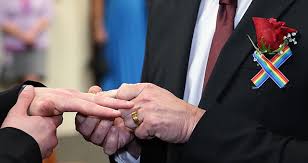
Why Same‑Sex Marriage Still Matters Today
Why same‑sex marriage still matters today is evident in the ongoing fight for equal recognition, dignity, and protection under the law.
Same‑sex marriage has been legalized in many countries around the world, yet the conversation around its importance is far from over. While the fight for marriage equality has achieved historic milestones, the significance of same‑sex marriage continues to resonate for social, legal, and personal reasons. Here’s why it still matters today.
1. Affirming Human Rights and Equality
At its core, same‑sex marriage is about human rights. The ability to marry the person you love should not depend on gender or sexual orientation. Legal recognition of same‑sex marriages affirms that LGBTQ+ individuals are entitled to the same protections and privileges as everyone else, sending a powerful societal message: love and commitment are equal, regardless of who is involved.
Without legal recognition, same-sex couples remain vulnerable to discrimination in areas such as healthcare, inheritance, and parenting. Ensuring marriage equality protects fundamental rights that many take for granted.
2. Legal Protections and Benefits
Marriage is not just a symbolic act—it comes with tangible legal benefits. These include tax advantages, social security and pension rights, hospital visitation rights, and decision-making power in medical or legal emergencies. For same-sex couples, legal marriage ensures these protections are not denied or complicated by bureaucratic loopholes.
For families with children, legal recognition of parents in a same-sex marriage provides security and stability. Children benefit from legal clarity regarding custody, inheritance, and healthcare decisions.
3. Social Acceptance and Visibility
Marriage equality fosters greater social acceptance and visibility for LGBTQ+ individuals. When same-sex couples can openly marry, it challenges prejudice, dismantles stereotypes, and promotes inclusion. Representation matters: seeing LGBTQ+ relationships normalized in society helps younger generations feel safe, seen, and validated.
Even in countries where same-sex marriage is legal, cultural stigma persists. Every legally recognized marriage contributes to a broader shift in societal attitudes, making equality not just a law but a lived reality.
4. Mental Health and Wellbeing
Studies consistently show that legal recognition of same-sex marriage has positive effects on mental health within the LGBTQ+ community. Marriage provides not just emotional support, but also validation and a sense of belonging. Legal recognition can reduce stress, anxiety, and experiences of marginalization, contributing to overall well-being.
5. The Fight is Not Over Globally
While many countries have legalized same-sex marriage, millions of LGBTQ+ people worldwide still face criminalization, discrimination, or lack of recognition for their partnerships. Advocating for marriage equality is part of a broader global struggle for LGBTQ+ rights, reminding us that progress in one country doesn’t guarantee equality everywhere.
Same‑sex marriage matters today because it is about equality, legal protection, social acceptance, mental well-being, and human dignity. Beyond the laws, it symbolizes a society striving toward fairness and inclusion for all. While progress has been made, the continued support and protection of same-sex marriage remain essential—not just for legal reasons, but for the very principles of justice, love, and humanity.
FAQs: Why Same‑Sex Marriage Still Matters Today
1. What is same-sex marriage?
Same-sex marriage is the legally recognized union between two people of the same sex. It provides couples with the same legal rights, responsibilities, and social recognition as heterosexual marriages.
2. Is same-sex marriage legal everywhere?
No. While many countries have legalized same-sex marriage, there are still nations where it is banned, and in some places, LGBTQ+ relationships are criminalized.
3. Why is same-sex marriage important if it’s already legal in many countries?
Even where it is legal, same-sex marriage remains important because it promotes social acceptance, protects legal rights, and improves mental health and well-being for LGBTQ+ individuals.
4. How does same-sex marriage benefit children in LGBTQ+ families?
Legal marriage ensures that children have clear parental rights, inheritance protections, and access to healthcare decisions, offering stability and security within the family.
5. Does legalizing same-sex marriage affect society negatively?
Research shows that legalizing same-sex marriage does not harm society. Instead, it fosters inclusion, reduces stigma, and strengthens legal protections for all families.
6. Can same-sex marriage influence mental health?
Yes. Studies indicate that legal recognition of same-sex marriages reduces stress, anxiety, and feelings of marginalization, contributing to better overall mental well-being for LGBTQ+ individuals.
7. How can someone support same-sex marriage globally?
Supporting same-sex marriage globally can include advocacy, educating others about LGBTQ+ rights, supporting inclusive policies, and amplifying the voices of LGBTQ+ communities in countries where marriage equality is not yet recognized.
Leave a Reply