
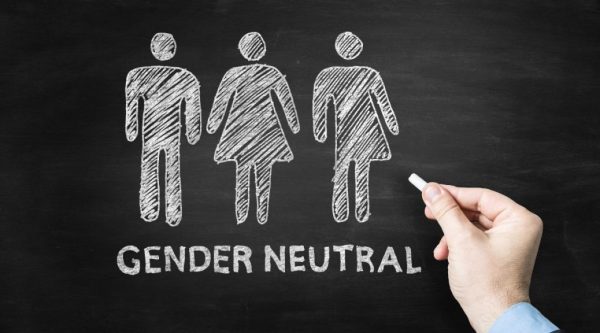
Gender-Neutral Alimony Laws
Gender-neutral alimony laws focus on evaluating financial needs and contributions from both spouses, ensuring fair support irrespective of gender.
Historically, alimony laws were rooted in the assumption that men were the breadwinners and women needed financial support after divorce. However, with the evolving dynamics of modern relationships and a growing emphasis on gender equality, gender-neutral alimony laws are becoming the standard in many jurisdictions.
What Are Gender-Neutral Alimony Laws?
The law ensures that spousal support decisions are based solely on each party’s financial circumstances rather than traditional gender roles. These laws acknowledge that either spouse, regardless of gender, can be the higher or lower earner and may need or be obligated to provide financial support post-divorce.
Why Are Gender-Neutral Alimony Laws Important?
- Equality and Fairness
Gender-neutral alimony laws reflect the shift toward gender equality. They ensure that individuals are treated fairly based on their contributions and financial needs rather than outdated stereotypes. - Changing Roles in Relationships
Women are often the primary earners in households today, and men are increasingly taking on caregiving roles. Gender-neutral laws accommodate these diverse family structures. - Promoting Shared Responsibility
These laws encourage both partners to contribute equally to the relationship and take responsibility for their financial independence post-divorce.
Features
- Income-Based Assessments
Courts evaluate each party’s income, earning potential, and financial needs to determine alimony. Gender plays no role in these assessments. - Consideration of Non-Financial Contributions
The laws consider non-financial contributions, such as caregiving or homemaking, ensuring that these roles are valued equally. - Encouragement of Self-Sufficiency
Many gender-neutral laws aim to make spousal support temporary, encouraging the recipient to become self-sufficient over time.
Challenges in Implementing Gender-Neutral Alimony Laws
- Cultural and Social Biases
Despite legal changes, societal expectations and biases can still influence court decisions and public perceptions. - Enforcement Issues
Ensuring compliance with alimony orders remains a challenge, especially in cases where traditional gender roles dominate. - Financial Disparities in Certain Industries
Persistent wage gaps in certain professions can complicate alimony decisions, even under gender-neutral laws.
The Prospects of Alimony Regulations
The adoption of these laws is a significant step toward fostering equality in family law. However, more work is needed to ensure that these laws are consistently applied and that societal attitudes catch up with legal progress. Education and awareness campaigns can help promote understanding and acceptance of these changes.
Gender-neutral alimony laws are a testament to the strides society has made toward equality. They challenge outdated stereotypes and provide a fair framework for spousal support, reflecting the diverse realities of modern relationships. As these laws continue to evolve, they hold the promise of creating a more equitable legal landscape for individuals navigating divorce.
Frequently Asked Questions
1. What are gender-neutral alimony laws?
It ensures that spousal support decisions are based on the financial circumstances of the divorcing parties, without regard to their gender. Either spouse, regardless of gender, can request or be required to pay alimony based on income, earning capacity, and financial need.
2. Why are gender-neutral alimony laws necessary?
These laws reflect the changing dynamics of modern relationships where traditional gender roles no longer apply universally. They ensure fairness by acknowledging that financial dependency and caregiving roles can belong to any spouse, regardless of gender.
3. Do gender-neutral alimony laws apply to same-sex marriages?
Yes, the laws apply to all legally recognized marriages, including same-sex marriages. They are designed to treat all spouses equally, focusing on financial circumstances rather than gender or sexual orientation.
4. How do courts decide alimony under gender-neutral laws?
Courts consider factors such as:
- Each spouse’s income and earning potential.
- Length of the marriage.
- Contributions to the marriage, including non-financial contributions like caregiving.
- Financial needs and resources of both spouses.
- Efforts required for the lower-earning spouse to become financially self-sufficient.
5. Are there any misconceptions about these laws?
A common misconception is that these laws favor one gender over the other. In reality, they aim to provide a fair assessment based on the financial dynamics of the marriage, not traditional roles or biases.
Leave a Reply