
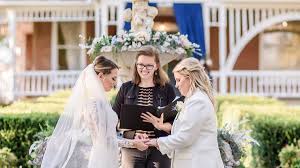
Faith-Friendly Support for LGBTQ+ Marriages
Faith-Friendly Support for LGBTQ+ Marriages demonstrates how religious communities can embrace inclusivity while honoring their spiritual traditions.
How Religion and Inclusion Are Finding Common Ground
For many LGBTQ+ couples, marriage is not only a legal or emotional commitment—it is also a spiritual one. Faith traditions play a central role in shaping identity, community, and values. Yet for decades, LGBTQ+ individuals have often felt forced to choose between their faith and their relationships. Today, that landscape is slowly but meaningfully changing.
Across denominations and religions, faith-friendly support for LGBTQ+ marriages is emerging, challenging long-held assumptions and opening new pathways for inclusion.
The Evolving Relationship Between Faith and LGBTQ+ Marriage
Historically, many religious institutions opposed same-sex marriage, citing doctrine, scripture, or tradition. This resistance often resulted in exclusion, spiritual trauma, or estrangement from faith communities.
However, in recent years:
- Some denominations have re-examined theological interpretations
- Clergy members have publicly affirmed LGBTQ+ unions
- Faith-based organizations have begun advocating for inclusion rather than exclusion
This evolution does not look the same everywhere, but it signals a broader conversation about love, justice, and belonging within faith communities.
Denominations and Faith Traditions Leading the Way
While acceptance varies widely, several religious groups now offer explicit support for LGBTQ+ marriages:
- Progressive Christian denominations (such as certain Anglican, Lutheran, Methodist, and United Church branches) now officiate same-sex weddings and bless LGBTQ+ unions.
- Reform and Reconstructionist Jewish communities have long recognized same-sex marriages and often celebrate LGBTQ+ family life openly.
- Some Buddhist and Hindu communities emphasize compassion and non-harm, creating space for LGBTQ+ couples even where formal marriage rites may vary.
- Independent and non-denominational congregations often provide affirming spiritual homes regardless of sexual orientation or gender identity.
These communities focus on shared values—commitment, fidelity, love, and mutual care—rather than exclusion.
What Faith-Friendly Support Looks Like in Practice
Faith-affirming support for LGBTQ+ marriages goes beyond allowing weddings. It often includes:
- Inclusive marriage ceremonies led by affirming clergy
- Pre-marital counseling that respects LGBTQ+ identities
- Recognition of LGBTQ+ families in congregational life
- Leadership opportunities for married LGBTQ+ individuals
- Pastoral care that affirms both faith and relationship
For couples, this kind of support can be deeply healing—especially for those who once believed their faith had no room for them.
Navigating Faith in Less-Accepting Environments
Not all religious spaces are affirming, particularly in regions where cultural or legal barriers remain strong. In these contexts, LGBTQ+ couples often:
- Seek private or informal blessings
- Join online or diaspora-based faith communities
- Work with interfaith or progressive spiritual leaders
- Create personal spiritual practices outside traditional institutions
Faith-friendly support does not always come from large institutions; sometimes it begins with a single pastor, imam, rabbi, or spiritual mentor willing to listen and walk alongside a couple.
Why Faith-Based Inclusion Matters
For many LGBTQ+ people, faith is not something easily abandoned. When religious communities affirm LGBTQ+ marriages, the impact is profound:
- Reduced feelings of shame and spiritual conflict
- Stronger mental and emotional well-being
- Healthier family and community relationships
- A more compassionate and credible faith witness
Inclusion does not erase theological differences—but it does prioritize human dignity and love.
Faith-friendly support for LGBTQ+ marriages remains uneven and, in many places, contested. Yet progress is undeniable. Conversations once considered impossible are now happening in seminaries, synods, mosques, temples, and churches.
As more faith communities listen to lived experiences and revisit long-standing interpretations, the space between faith and LGBTQ+ marriage continues to narrow.
For many couples, that space is where healing, hope, and wholeness begin.
Frequently Asked Questions (FAQs)
1. Can LGBTQ+ couples have religious wedding ceremonies?
Yes, in many affirming faith communities, clergy are authorized to officiate same-sex weddings and provide full religious recognition.
2. Are all religions opposed to LGBTQ+ marriages?
No. Views vary widely within and across religions. Some denominations and faith traditions openly support LGBTQ+ marriages, while others remain opposed or divided.
3. What if my faith community does not accept my marriage?
Many couples seek alternative affirming congregations, interfaith clergy, or personal spiritual practices that honor both faith and relationship.
4. Is faith-based support for LGBTQ+ marriages growing?
Yes. While uneven globally, there is a clear trend toward dialogue, reinterpretation, and inclusion in many parts of the world.
5. Can faith and LGBTQ+ identity truly coexist?
For many people, yes. With affirming communities and compassionate leadership, faith and LGBTQ+ identity can strengthen—not contradict—each other.
Leave a Reply