
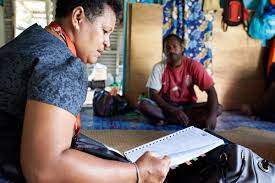
Ethical Concerns in Humanitarian Adoption
Ethical Concerns in Humanitarian Adoption often center on safeguarding children’s rights while preventing exploitation or cultural displacement.
For vulnerable children impacted by conflict, natural disasters, or displacement, humanitarian adoption provides a lifeline. However, these adoptions present serious ethical difficulties because they frequently result from urgent and stressful circumstances. To stop exploitation, trafficking, and long-term suffering, it is essential to make sure that adoption procedures are morally and legally sound and that children are genuinely protected.
Why Ethics Matter in Humanitarian Adoption
Unlike traditional adoptions, humanitarian adoption often occurs under emergency circumstances. The urgency to find safe homes can sometimes create opportunities for abuse. Ethical concerns are particularly heightened when children:
- Lack proper documentation of identity or parental consent.
- Are separated from extended family or community networks
- They are vulnerable to traffickers posing as adoption facilitators
Focusing on ethics ensures that adoption decisions prioritize the child’s safety, well-being, and future, rather than convenience or profit.
Ethical Concerns
- Preventing Exploitation and Trafficking
In crises, unscrupulous individuals may attempt to profit from children in need. Ethical adoption practices require:- Verification of the child’s legal orphan status
- Strict monitoring of intermediaries and agencies
- Compliance with international treaties like the Hague Adoption Convention
- Respecting Family and Cultural Ties
Even when parents are deceased or unable to care for a child, extended family members or communities may play a vital role in the child’s life. Ethical adoption seeks to:- Explore local guardianship or kinship care before international adoption.
- Preserve the child’s cultural and linguistic heritage.
- Informed Consent
Ethical adoption requires clear consent from any surviving parents or legal guardians. In humanitarian settings, this can be challenging due to displacement, death, or lack of documentation. Agencies and courts must ensure consent is genuine, documented, and legally valid. - Prioritizing the Child’s Best Interest
Every decision in humanitarian adoption must center on the child’s safety, emotional health, and long-term stability. This includes:- Proper screening of adoptive families
- Access to education, healthcare, and trauma counselling
- Ongoing support to help the child integrate into a new environment
Balancing Urgency and Ethical Responsibility
Crises often demand rapid action, but rushing the adoption process can lead to mistakes, exploitation, or legal complications. Ethical humanitarian adoption strikes a balance by:
- Ensuring all legal checks and documentation are completed
- Involving social workers and child welfare experts
- Monitoring post-adoption outcomes to verify the child’s well-being
The Role of Adoption Agencies and Governments
Reputable adoption agencies and governments play a pivotal role in safeguarding ethics:
- Agencies must follow strict vetting, legal compliance, and child welfare protocols
- Governments must enforce laws to prevent illegal adoption and human trafficking.
- International cooperation ensures that cross-border adoptions meet ethical and legal standards
Humanitarian adoption is not only about finding a home for a child—it is about protecting them from harm, preserving their identity, and respecting their rights. Ethical diligence ensures that vulnerable children are rescued from immediate danger while being safeguarded from long-term exploitation or abuse. When ethical principles guide every step, humanitarian adoption becomes a true instrument of hope and healing.
FAQs: Ethical Concerns in Humanitarian Adoption
What safeguards prevent exploitation in humanitarian adoption?
International treaties like the Hague Adoption Convention, alongside reputable agencies and strict legal oversight, ensure children are not trafficked or adopted illegally.
Can extended family members prevent a child from being adopted internationally?
Yes. Ethical adoption processes consider kinship care as a priority before pursuing international adoption.
How are adoptive families vetted ethically?
Prospective families undergo background checks, interviews, home studies, and assessments to confirm their ability to care for traumatized children.
What happens if a child’s identity is uncertain?
Legal authorities and adoption agencies verify identity through documentation, DNA testing, and court procedures to prevent fraud or trafficking.
Are there post-adoption ethical responsibilities?
Yes. Adoptive families and agencies must ensure ongoing welfare, cultural integration, and psychological support for the child.
Leave a Reply