
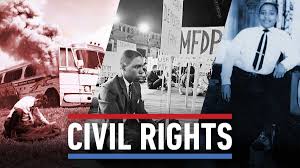
Civil Rights
Civil rights are the foundation of a free and equitable society. They reflect the fundamental rights and liberties given to all people, regardless of race, gender, religion, or background. These rights defend against discrimination and ensure equal access to opportunities such as education, housing, employment, and political engagement.
What Are Civil Rights?
They are legal protections that prevent governments, institutions, or individuals from infringing upon the basic freedoms of others. Unlike “human rights,” which are universal, civil rights are granted and safeguarded by law within a specific country. Examples include:
- The right to vote
- The right to equal protection under the law
- The right to free speech and assembly
- Freedom from discrimination in employment, housing, or education
A Brief History of Civil Rights Movements
- The U.S. Civil Rights Movement (1950s–1960s)
Led by figures like Martin Luther King Jr., Rosa Parks, and Malcolm X, this movement fought racial segregation and systemic discrimination. Landmark victories included the Civil Rights Act of 1964 and the Voting Rights Act of 1965. - Women’s Rights Movements
Campaigns for women’s suffrage and gender equality reshaped democracies worldwide, granting women voting rights and protections against workplace discrimination. - Global Struggles
From apartheid in South Africa to indigenous rights movements in Australia and Canada, the fight for civil rights has been global. Nelson Mandela’s leadership in South Africa remains one of the most powerful examples.
Why They Still Matter Today
Although significant progress has been made, civil rights remain a living issue:
- Racial Inequality: Disparities in policing, healthcare, and economic opportunities continue to affect minority communities.
- Gender Equality: Women and LGBTQ+ individuals still face wage gaps, harassment, and barriers to leadership roles.
- Digital Rights: In the modern world, online privacy and freedom of expression are becoming new civil rights frontiers.
- Immigrant Rights: Migrant workers and refugees often face systemic discrimination and lack legal protections.
How These Rights Shape Our Future
- Empowerment: Protecting civil rights ensures that every person has the chance to reach their potential.
- Unity: Their movements remind us that society is strongest when all voices are heard.
- Justice: True democracy cannot exist without equal rights under the law.
These rights are not just about history — they are about the present and the future. They call on each of us to remain vigilant, to speak out against injustice, and to ensure that freedom and equality extend to all. The work of past leaders laid the foundation, but the responsibility now rests with us to carry the struggle forward.
Frequently Asked Questions
1. What is the difference between human rights and civil rights?
Human rights are universal rights that apply to all people, regardless of where they live, such as the right to life and dignity. Civil rights, on the other hand, are legal protections granted by governments to ensure equality and fairness within a specific country.
2. Why are civil rights important?
To ensure that people are treated equally under the law and protected from discrimination. Without them, societies risk inequality, injustice, and abuse of power.
3. Who are some famous leaders of the civil rights movement?
Globally recognized leaders include Martin Luther King Jr., Rosa Parks, Malcolm X, Nelson Mandela, and Mahatma Gandhi. Each fought in different ways to ensure justice and equality for marginalized communities.
4. What are examples of civil rights today?
Examples include the right to vote, freedom of speech, protection against racial or gender discrimination, equal access to education and healthcare, and digital privacy rights.
Leave a Reply