
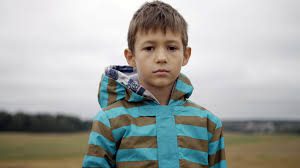
When Crisis Creates Orphans
When crises create orphans, communities are often forced to confront urgent questions of care, adoption, and long-term stability.
In times of war, natural disasters, or political unrest, countless children are left vulnerable, orphaned, or displaced. While humanitarian aid often focuses on immediate survival—food, shelter, and medical care—there is another critical aspect of support: humanitarian adoption. This process helps provide long-term care and stability to children whose families have been torn apart by crises.
Understanding Humanitarian Adoption
Humanitarian adoption is a form of adoption aimed at children in emergency situations who cannot be cared for by their birth families due to circumstances beyond anyone’s control. Unlike traditional adoption, which often follows a planned or voluntary process, humanitarian adoption arises in response to urgent needs. These children may be living in refugee camps, shelters, or orphanages and often face significant risks including malnutrition, illness, and psychological trauma.
The Impact of War and Conflict
Armed conflicts displace millions of people globally every year. Children are frequently separated from parents, lose caregivers, or are left in unsafe conditions. Humanitarian adoption provides these children with:
- Safety: Placement in stable families protects them from exploitation and violence.
- Emotional Security: Being part of a family helps children regain trust and attachment after traumatic events.
- Access to Education and Health Care: Adoptive families can provide access to schools and medical care often unavailable in crisis zones.
For example, during civil wars or refugee crises, international adoption organizations often coordinate with local authorities and global partners to ensure that orphaned or unaccompanied minors find permanent homes safely and legally.
Natural Disasters and Their Aftermath
Natural disasters, such as earthquakes, hurricanes, or floods, can also create urgent humanitarian adoption needs. Children may lose parents or guardians suddenly, leaving them vulnerable to neglect, trafficking, or exploitation. Humanitarian adoption helps mitigate these risks by connecting children with loving families who can provide continuity and care.
Ethical Considerations
Humanitarian adoption must always be approached with caution and strict ethical guidelines. It is essential to ensure:
- Consent: Whenever possible, adoption should respect the rights and wishes of surviving family members.
- Child’s Best Interest: The child’s safety, emotional well-being, and cultural identity should guide every decision.
- Legal Compliance: International adoptions must comply with the Hague Convention and local adoption laws to prevent trafficking or exploitation.
How the Process Works
Humanitarian adoption typically involves several key steps:
- Assessment of the Child’s Situation: Confirming orphan status or inability of family to provide care.
- Matching with Qualified Families: Prospective adoptive families are screened for financial stability, health, and capacity to care for a traumatized child.
- Legal and Immigration Processing: Ensuring the adoption meets both the child’s home country and adoptive country legal requirements.
- Post-Adoption Support: Counseling, cultural integration, and ongoing monitoring to help the child adjust and thrive.
The Humanitarian Difference
Unlike other forms of adoption, humanitarian adoption emphasizes rescue, protection, and rehabilitation in response to crises. For many children, it is not just a pathway to a family but a lifeline out of trauma, neglect, and uncertainty.
One effective way to give disadvantaged children a second chance at life is through humanitarian adoption. It turns hopelessness into hope and offers a way to safety, stability, and love throughout times of conflict, tragedy, and displacement. Even while the procedure is difficult and morally challenging, when carried out properly, it transforms lives—often permanently.
FAQs: When Crisis Creates Orphans
Can any child affected by disaster or conflict be adopted?
Not all children are eligible; adoption is considered only when parents or guardians are deceased, missing, or unable to care for the child, and legal frameworks allow it.
How do international laws protect children in humanitarian adoption?
Conventions like the Hague Adoption Convention ensure children are not trafficked and that adoptions meet international legal standards.
What role do adoptive families play beyond providing a home?
Families help with emotional healing, education, cultural integration, and access to healthcare—crucial for children recovering from trauma.
How long does the humanitarian adoption process take?
It varies widely depending on the country, legal requirements, and the child’s circumstances. It can range from several months to a few years.
Are there risks involved in humanitarian adoption?
Yes, including legal complications, cultural dislocation, and the risk of exploitation if ethical guidelines are not strictly followed. Proper oversight and reputable adoption agencies mitigate these risks.
Leave a Reply