
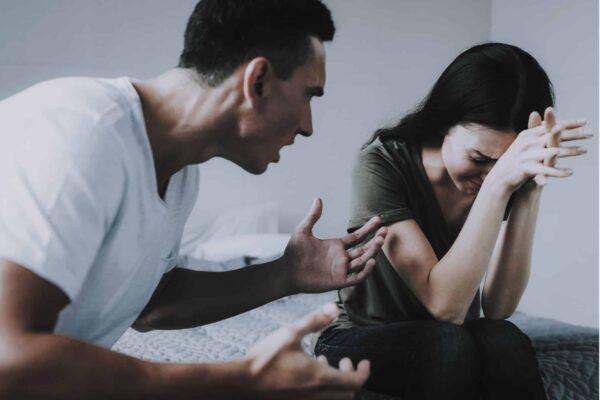
Signs of Coercive Control in Marriage
Signs of coercive control in marriage often emerge gradually, manifesting as emotional manipulation, isolation, and domination disguised as concern or love.
Coercive control is a form of emotional and psychological abuse that can be more insidious—and more dangerous—than physical violence. It’s a pattern of behaviors used to dominate, isolate, and manipulate a partner, often leaving no visible scars but causing deep, lasting trauma.
What Is Coercive Control?
Coercive control refers to a strategic pattern of behavior designed to erode a person’s autonomy and sense of self. Unlike physical abuse, which is often episodic and visible, coercive control is chronic, subtle, and deeply psychological. It’s about power—not just harm.
According to experts, coercive control is now recognized as a precursor to physical violence and a strong predictor of intimate partner homicide.
Signs of Coercive Control in Marriage
Here are some of the most common red flags:
- Isolation: The abuser cuts off the victim from friends, family, or support systems under the guise of love or protection.
- Monitoring and surveillance: Constant checking of phone calls, texts, emails, or even GPS tracking.
- Financial control: Restricting access to money, forcing the victim to account for every expense, or preventing them from working.
- Gaslighting: Making the victim doubt their memory, perception, or sanity.
- Rules and micromanagement: Dictating what the victim wears, eats, or how they behave at home.
- Threats and intimidation: Using fear—without necessarily resorting to physical violence—to maintain control.
- Sexual coercion: Pressuring or manipulating a partner into unwanted sexual activity.
- Undermining autonomy: Making decisions for the victim, dismissing their opinions, or infantilizing them.
These behaviors often escalate over time, becoming more intense and harder to escape.
Why It’s More Dangerous Than Physical Violence
While physical abuse is undeniably harmful, coercive control can be more dangerous in the long term because:
- It’s harder to detect: Victims may not even realize they’re being abused.
- It erodes mental health: Leading to anxiety, depression, PTSD, and suicidal ideation.
- It traps victims: Without visible injuries, it’s harder to seek help or be believed.
- It escalates: Coercive control often precedes physical violence and is a major risk factor for lethal outcomes.
In many cases, victims of coercive control report that the emotional scars last far longer than physical wounds.
What Can Be Done?
- Recognize the signs: Awareness is the first step to breaking the cycle.
- Seek support: Therapists, domestic violence hotlines, and advocacy groups can help.
- Legal protections: Some countries, like the UK and parts of the U.S., have begun criminalizing coercive control.
- Community education: Teaching people to recognize and respond to non-physical abuse is crucial.
Coercive control is a silent, pervasive form of abuse that can destroy a person’s identity, freedom, and safety. By understanding its signs and dangers, we can better protect ourselves and others—and work toward healthier, more respectful relationships.
FAQs: Coercive Control in Marriage
1. What is coercive control?
Coercive control is a pattern of behavior used to dominate and manipulate a partner through emotional, psychological, financial, and social tactics—without necessarily using physical violence.
2. How is coercive control different from physical abuse?
While physical abuse involves visible harm, coercive control is often invisible and psychological. It erodes a person’s autonomy and self-worth over time, making it harder to detect and escape.
3. What are common signs of coercive control in marriage?
Key signs include isolation from friends and family, financial restrictions, constant monitoring, gaslighting, threats, and micromanagement of daily life.
4. Can coercive control occur without any physical violence?
Yes. Many victims experience coercive control without ever being physically harmed, yet the emotional damage can be just as severe—or worse.
5. Why is coercive control considered more dangerous than physical violence?
It’s harder to recognize, often escalates over time, and is a strong predictor of future physical violence or intimate partner homicide.
6. Is coercive control a crime?
In some countries, yes. For example, the UK has criminalized coercive control, and parts of the U.S. are beginning to recognize it legally. However, laws vary widely.
7. How does coercive control affect mental health?
Victims often suffer from anxiety, depression, PTSD, and a loss of identity. The constant fear and manipulation can lead to long-term psychological trauma.
8. Can men be victims of coercive control?
Absolutely. While women are more frequently affected, men can also be victims of coercive control in both heterosexual and same-sex relationships.
9. What should someone do if they suspect they’re experiencing coercive control?
Seek support from a therapist, domestic violence hotline, or advocacy organization. Creating a safety plan and talking to trusted individuals is also important.
10. How can friends and family help someone experiencing coercive control?
Offer nonjudgmental support, listen actively, and encourage professional help. Avoid pressuring the person to leave before they’re ready—it can increase danger.
Leave a Reply