
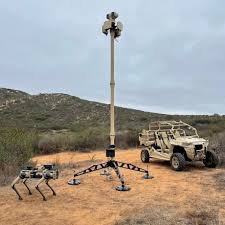
New Border Tech and Enforcement
New Border Tech & Enforcement is reshaping immigration control by combining advanced surveillance systems with stricter regulatory measures.
The UK government is stepping up its border enforcement strategy with the deployment of live facial recognition (LFR) technology at ports, aiming to identify and intercept migrants who are attempting to enter or re-enter the country unlawfully. While officials frame the move as a necessary modernization of border security, critics warn it could usher in a new era of mass surveillance, privacy erosion, and legal challenges.
As technology becomes more embedded in immigration control, the debate is shifting from whether borders should be enforced to how far enforcement should go.
What Is Live Facial Recognition and How Will It Be Used?
Live facial recognition technology scans faces in real time and compares them against watchlists held by authorities. At UK ports, the system is expected to:
- Identify individuals flagged for immigration violations
- Detect repeat illegal entry attempts
- Support Border Force officers with faster identity verification
- Reduce reliance on manual document checks
Unlike traditional CCTV, LFR actively analyses biometric data, raising significant ethical and legal questions.
Why the Government Is Rolling It Out Now
The rollout comes amid sustained political pressure to demonstrate “control” of UK borders. Although net migration has fallen from post-pandemic highs, immigration remains a high-salience issue for voters.
Government officials argue that facial recognition will:
- Improve border efficiency
- Deter illegal entry attempts
- Strengthen national security
- Reduce strain on frontline staff
The technology is also seen as a cost-effective solution in the long term, particularly as border traffic increases.
Privacy and Surveillance Concerns
Civil liberties groups and digital rights advocates have expressed serious concerns about the use of LFR at ports.
Key issues include:
- Data retention: How long biometric data is stored and who can access it
- Consent: Whether individuals are aware they are being scanned
- Accuracy: Higher error rates for women and people of colour
- Function creep: The risk of technology expanding beyond its original purpose
Critics warn that once facial recognition becomes normalized at borders, its use could spread into everyday public spaces.
Legal and Human Rights Implications
The UK has previously faced legal scrutiny over police use of facial recognition, with courts ruling that safeguards must be clearly defined. Applying similar technology to immigration enforcement could invite fresh legal challenges under:
- Data protection laws
- Human rights legislation
- Equality and anti-discrimination frameworks
There are also concerns about whether asylum seekers and migrants — already in vulnerable positions — can meaningfully challenge errors or misidentification.
Public Trust and the Future of Border Control
For border technology to be effective, public trust is crucial. Without transparency, oversight, and clear limits, enforcement tools risk backfiring by fueling public anxiety and mistrust.
Supporters argue that modern borders require modern tools. Opponents counter that efficiency should not come at the expense of fundamental rights.
The use of live facial recognition at UK ports marks a significant turning point in immigration enforcement. It reflects a broader global trend toward tech-driven borders, where algorithms increasingly determine who is allowed to pass.
The central question is no longer whether technology will shape border control — but whether governments can deploy it responsibly, lawfully, and transparently. How the UK answers that question may set a precedent for immigration systems worldwide.
Frequently Asked Questions (FAQs)
What is live facial recognition (LFR) at UK ports?
Live facial recognition is a technology that scans people’s faces in real time and compares them against government watchlists. At ports, it is used to identify individuals flagged for immigration violations or illegal entry attempts.
Why is the UK government using facial recognition at borders?
The government says LFR helps improve border security, speed up identity checks, deter illegal entry, and reduce pressure on frontline staff.
Will this affect all travellers entering the UK?
The technology is mainly focused on people flagged for immigration concerns, but it can scan anyone passing through ports, raising concerns about general surveillance.
Are there privacy risks with live facial recognition?
Yes. Key concerns include data retention, consent, accuracy (particularly for women and people of colour), and the potential for “function creep,” where the technology is used beyond its original purpose.
How long is biometric data stored?
The government has said it will retain data according to legal and operational guidelines, but the exact length and use policies are subject to scrutiny and debate.
Can mistakes happen with facial recognition?
Yes. Facial recognition systems can produce false positives or misidentifications, which could unfairly target innocent travellers or migrants.
Could this technology violate human rights?
Potentially. Civil liberties groups argue LFR could conflict with data protection, equality, and privacy laws, and there may be legal challenges if errors affect vulnerable groups like asylum seekers.
Is this technology already being used elsewhere?
Yes. Several countries, including the US, China, and EU nations, use facial recognition at airports and borders, though each has different privacy safeguards and legal oversight.
Just let me know.
Leave a Reply