
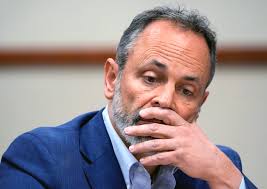
Matt Bevin Case
Matt Bevin Case underscored the controversy surrounding his final‑day pardons, raising questions about justice, accountability, and the scope of gubernatorial power.
The ongoing legal saga surrounding former Kentucky Governor Matt Bevin and his adopted son, Jonah Bevin, has captured public attention — not just because of the parties involved, but because it raises challenging questions about how family law treats adopted children, custody, intervention rights and parental obligations.
The Background: Divorce, Adoption & a Contentious Relationship
Matt and Glenna Bevin adopted Jonah from Ethiopia when he was 5. The couple — known for promoting adoption and child welfare during Bevin’s governorship — later divorced, a case finalized in March 2025 after a long separation and contentious proceedings. Their divorce settlement addressed property and custody of their minor child and tried to close chapter on their marital disputes.
Amid those proceedings, Jonah — now 18 — made alarming allegations: that he was neglected, physically and emotionally mistreated, repeatedly sent to residential programs, and ultimately abandoned at a brutal facility in Jamaica at age 17, before being removed by child welfare authorities.
Legal Actions in Play
1. Protective Orders & Court-Ordered Restraints
Jonah successfully sought emergency protective orders against both Matt and Glenna Bevin that bar them from contacting him. The order against Matt was extended for six months and includes mandates like surrendering firearms, furnishing information about Jonah’s biological family, and criminal penalties for violations — rare provisions in a family law setting involving an adult adopted child.
These orders, while protective in nature, also shape the legal environment for broader claims related to neglect and abandonment.
2. Intervention in the Divorce & Rights to Participate
Most notably, Jonah petitioned to intervene in the Bevins’ divorce proceedings — an unusual step because family law typically treats divorce as between spouses. Jonah’s lawyers argue existing terms affect his future support, his interests in family assets, and obligations related to his care. A judge agreed Jonah should intervene, marking a significant acknowledgement that children — including adopted ones — may have independent rights in divorce matters.
While Matt Bevin initially contested this intervention, even seeking higher court relief, an appeals court rejected his attempt to delay that ruling.
What This Means for Custody & Child Support Strategy
At first glance, this dispute might seem like a uniquely high-profile and fraught family conflict. But some of the legal themes extend to broader child support and custody law — especially as practices evolve around adopted children:
1. Adoption Doesn’t Eliminate Parental Obligations
Adopted children generally enjoy the same legal status as biological children, meaning parents owe them support and care. Jonah’s claims about abandonment and neglect trigger deeper questions about what it means — legally — for adoptive parents to fulfill those duties, even as children age into adulthood.
Typically, child support obligations end at legal adulthood, but exceptions exist if the child has disabilities or needs extended support. If a court finds neglect or abandonment, actions could be taken under protective statutes or even criminal abandonment statutes that apply to parents of minors.
2. Intervention by Adult Adopted Children
One of the most striking aspects of this case is a judge’s authorization for an adopted 18-year-old to intervene in his parents’ divorce — a move rare enough that courts treat it as “profoundly unique.” Yet it signals that children’s interests — particularly adverse experiences in foster care or adoption — can sometimes justify a seat at the table in family proceedings that affect financial resources or final settlements.
This could influence future cases where outcomes affect children’s financial status, inheritance, or post-divorce security.
3. Protective Orders & Restraining Orders Beyond Minors
Protective orders often arise when there’s abuse or credible threats of harm. This case shows that even adopted children who have reached adulthood can seek such orders against parents, altering typical post-divorce relationships and custodial access.
Legal Strategy in Adoption & Custody Cases
If you’re navigating child support, custody, or post-divorce disputes involving adopted children, the Bevin case underscores several strategic considerations:
Document Everything
- Detailed records of care, schooling, placements, and agreements are invaluable. In the Bevin matter, disputes over Jonah’s age and educational history became central issues.
Explore Intervention Rights
- Courts may allow children — even those 18 or older — to intervene in parental litigation if their financial or legal interests are at stake.
Protective Mechanisms Protect Individuals, Not Just Minors
- Protective or restraining orders may be sought by adopted children who allege harm, often intersecting with family law beyond typical child support cases.
Adopted Children Have Equal Legal Standing
- Unlike cultural assumptions that adoptive relationships are less enforceable legally, this case confirms that adoptive parents can face obligations and liabilities similar to biological parents.
The Matt Bevin–Jonah Bevin legal dispute is more than a sensational news story — it highlights evolving legal interpretations of adoption, parental responsibility, and the rights of children within family law. Courts may increasingly recognize that adopted children, even as adults, can assert their interests in complex family proceedings. While not every case will involve headline political figures, the principles at play — duty of care, intervention rights, and legal protections — have broad relevance for family law attorneys, parents, and adoptees alike.
Leave a Reply