
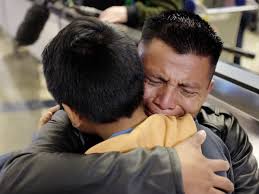
Deportation and Family Separation
Deportation and family separation can have devastating emotional, financial, and psychological effects on both children and parents.
Being deported is a life-altering event that has the power to upend families and is more than just a legal process. Many immigrant families fear permanent separation from spouses, children, or parents rather than just one member leaving the country. However, what legal options are available to stop these separations, and how long may they last?
Understanding Deportation and Family Separation
Deportation occurs when a government legally requires a non-citizen to leave its borders. While the reasons vary—from visa overstays to criminal convictions—the human impact is often similar: families are split, routines are disrupted, and the emotional toll is profound.
In many cases, deportation doesn’t just involve the individual—it affects children, spouses, and extended family members who may depend on the deported individual for emotional and financial support.
The Emotional and Psychological Toll
Research has shown that children separated from deported parents are at higher risk of depression, anxiety, and academic challenges. Spouses left behind often face financial hardships, social isolation, and emotional distress. Even when communication is possible, the long-distance separation can feel permanent.
Can Families Reunite After Deportation?
The permanence of family separation often depends on legal options and immigration policies:
- Re-entry Through Legal Immigration Channels
Deportees may eventually apply for visas, asylum, or other legal pathways to return. However, these processes are lengthy, costly, and not guaranteed. - Family-Based Immigration Petitions
U.S. immigration law, for example, allows U.S. citizens and certain permanent residents to petition for spouses, parents, or children. Yet, some deportees face bars that prevent them from returning for years, making immediate reunification impossible. - Humanitarian Relief Options
In some cases, relief such as Temporary Protected Status (TPS) or Deferred Action for Childhood Arrivals (DACA) may allow family members to remain together temporarily, but these programs are limited and often politically vulnerable. - Legal Challenges
Some families can challenge deportation in court, citing the best interests of children or extreme hardship. While occasionally successful, these cases are complex and require skilled legal advocacy.
When Separation Becomes Permanent
Unfortunately, in many situations, separation can become permanent. Factors that contribute include:
- Lengthy bans on re-entry
- Lack of legal documentation or access to legal counsel
- Changes in immigration policy
- Inability to financially support reunification petitions
For children born in the U.S., one parent’s deportation may permanently alter family dynamics, particularly if the deported parent cannot secure legal residency or a return visa.
Supporting Families Through Deportation
Even when legal reunification is possible, emotional support is critical. Community organizations, counseling services, and legal aid groups provide resources for families navigating deportation. Maintaining connections through letters, phone calls, or video calls can also help mitigate the sense of permanent loss.
Families may be permanently split apart by deportation, albeit the extent of this separation depends on political, economic, and legal considerations. Some families experience long-term separation that permanently alters their lives, while others are reunited following drawn-out procedures. Families attempting to remain together in spite of deportation must take crucial actions, such as being aware of their legal options, planning ahead, and obtaining expert assistance.
FAQs
Can a child remain in the U.S. if a parent is deported?
Yes, children who are U.S. citizens can remain in the country, but they may face emotional and financial challenges without their parent.
Are there any exceptions to deportation for family unity?
Some courts consider extreme hardship, particularly to U.S. citizen children, but exceptions are rare and require legal action.
How long does it take for a deported parent to return legally?
It varies widely—anywhere from a few years to permanent bans, depending on the reason for deportation and available legal remedies.
Can deportation be challenged in court?
Yes, deportation can be challenged, especially if it violates due process or causes extreme hardship to family members.
What support resources exist for families affected by deportation?
Nonprofits, legal aid organizations, and community advocacy groups provide legal, emotional, and financial support to affected families.
Leave a Reply