
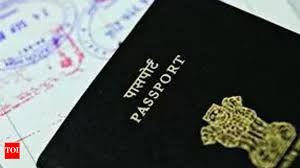
Court Opposition to NOC Rules for Minors’ Passport
Court Opposition to NOC Rules for Minors’ Passports reflects a broader legal trend toward prioritizing the child’s best interests over rigid administrative requirements.
When it comes to international travel for children, many countries traditionally require a No-Objection Certificate (NOC) or written consent from both parents. This rule is intended to prevent child abduction and ensure custodial agreements are respected. However, in recent years, courts in several countries have begun pushing back against blanket “no-objection” requirements, recognizing that rigid application of these rules can infringe on a child’s rights and the custodial parent’s ability to act in the child’s best interest.
This blog explores the legal trends, landmark rulings, and practical implications of this judicial pushback.
Understanding the “No-Objection” Requirement
Traditionally, passport authorities require:
- Consent from both parents or legal guardians for children under a certain age
- A notarized NOC if one parent cannot be physically present
- Court authorization if one parent refuses consent
While these measures protect minors, they can also be misused in parental disputes, creating delays or travel blocks even when a child’s welfare is at stake.
Why Courts Are Pushing Back
1. Protecting the Minor’s Fundamental Rights
Courts are increasingly viewing the child’s right to hold a passport and travel as fundamental. Denying travel solely because one parent refuses consent—without a legal order—can be seen as punitive and harmful to the child.
2. Preventing Abuse of Consent Requirements
Judges recognize that some parents withhold consent to manipulate or pressure the other parent. Blanket NOC requirements, without judicial oversight, can become a tool of coercion rather than protection.
3. Upholding Custodial Parent Authority
In custody arrangements, the primary caregiver often has the right to make travel decisions for the child. Courts now emphasize that passport offices must respect custody orders rather than rely solely on parental consent forms.
Landmark Cases Highlighting Judicial Pushback
India
In multiple Indian High Court rulings:
- Courts have clarified that a parent’s refusal to sign a NOC cannot automatically prevent passport issuance
- Custodial parents can approach the court to obtain permission for passport issuance, ensuring the child’s travel is legally recognized
- Courts prioritize the best interest of the child over rigid procedural rules (Economic Times)
United Kingdom
UK family courts have issued guidance stating that:
- NOCs should not override court-issued custody arrangements
- Judges can issue travel orders allowing minors to leave the country, even without a parental NOC, if it aligns with custody orders
Other Jurisdictions
- Courts in several Middle Eastern and African countries are slowly recognizing similar principles, particularly in high-conflict custody disputes, balancing the rights of the child against parental objections.
Practical Implications for Parents
If you encounter issues with NOC requirements:
- Review custody agreements or court orders to determine who has travel authority.
- Seek judicial intervention if a parent refuses consent unreasonably.
- Document communication with both parents to show good faith.
- Engage a family law attorney familiar with local laws on international travel and minors.
Balancing Safety and Rights
While “no-objection” certificates aim to protect children, courts are increasingly recognizing that mechanical enforcement of these rules can harm minors. Judicial pushback is creating a system where:
- The child’s welfare is paramount
- Custodial rights are respected
- Parental disputes cannot unduly block legitimate travel
A notable development in family law is the increase of court opposition to NOC requirements. It represents a more comprehensive awareness that travel decisions—rather than merely following formalities—must be guided by child rights, custodial authority, and the practical reality of family conflicts.
Knowing how the law, permission, and judicial intervention interact is crucial for parents juggling custody and travel. Courts are sending a message that the child’s best interests come above strict formalities, which makes it simpler for responsible parents to make sure their children travel in a timely and safe manner.
Frequently Asked Questions
1. What are NOC (No-Objection Certificate) rules for minors’ passports?
NOC rules require one parent or guardian to provide a formal “No-Objection Certificate” before a minor can obtain or renew a passport. This is often intended to prevent child abduction or unauthorized travel.
2. Why have courts opposed these rules?
Courts argue that mandatory NOC requirements can unfairly restrict a child’s right to travel, especially in cases of custody disputes, single-parent households, or situations where one parent is absent or uncooperative. Judicial pushback emphasizes the child’s best interests over rigid administrative procedures.
3. How does opposition affect passport issuance for minors?
In jurisdictions where courts have intervened, authorities may be directed to issue passports based on custody orders, parental responsibility documents, or other legal safeguards instead of requiring a blanket NOC.
4. Are NOC rules the same across all countries?
No. Requirements vary widely. For example, Nigeria requires notarized parental consent or custody documents, while other countries may rely on court orders or parental affidavits. Judicial opposition often arises when these rules conflict with constitutional or child rights protections.
5. What alternatives do courts suggest instead of NOC rules?
Courts often recommend using custody judgments, affidavits of consent, or legal guardianship documents as more balanced safeguards. These alternatives aim to protect children while avoiding unnecessary bureaucratic barriers.
Leave a Reply