
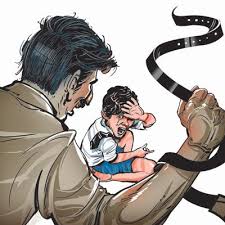
Corporal Punishment Bans & Legal Gray Areas
Corporal punishment bans & legal gray areas highlight the tension between protecting children’s rights and respecting cultural or parental authority.
Disciplining children is one of the most challenging aspects of parenting. For generations, physical discipline—often called corporal punishment—was widely accepted. But today, governments, courts, and child welfare advocates are increasingly reassessing where the line should be drawn between acceptable discipline and illegal abuse. Understanding these legal boundaries has never been more important for parents who want to raise responsible children while staying within the law.
What Is Corporal Punishment?
Corporal punishment generally refers to physical force intended to cause some level of discomfort or pain as a means of correcting or controlling a child’s behavior. This includes actions like spanking, slapping, or hitting with an object. While the definitions vary across jurisdictions, the core idea is consistent: the use of physical contact to discipline a child.
Why Governments Are Restricting It
In the past few decades, many countries have moved to ban corporal punishment in all settings, including in homes. The push is driven by:
- Child protection advocates highlighting evidence linking physical discipline to negative emotional and developmental outcomes.
- International human rights standards, such as the United Nations Convention on the Rights of the Child, encouraging legal reform.
- Research showing alternative discipline methods can be more effective and less harmful.
As a result, lawmakers and courts are increasingly restricting or prohibiting physical discipline outright.
“Reasonable Chastisement” vs. Abuse: The Legal Gray Area
In many places that haven’t banned corporal punishment outright, the law still uses terms like “reasonable chastisement” or “justifiable force.” That’s where things get confusing.
“Reasonable chastisement” typically means physical discipline that is mild and intended to correct behavior—not injure the child. But what’s considered “reasonable”? It varies widely and is often evaluated after the fact by authorities or courts.
For example:
- Was the force used necessary?
- Did it cause injury beyond temporary discomfort?
- Was it disproportionate to the child’s behavior?
These questions can determine whether a parent’s actions are lawful or could be prosecuted as abuse.
How Different Places Treat Corporal Punishment
Here’s a snapshot of how the legal landscape differs around the world:
- Countries with full bans: Many European nations, like Sweden and Germany, have banned all corporal punishment, including in the home.
- Countries with partial bans: Some places allow corporal punishment in the home but ban it in schools or childcare settings.
- Countries with “reasonable chastisement” provisions: In common-law jurisdictions like parts of the U.S., UK, and some African countries, parents may legally use mild physical discipline—but the scope is unclear and evolving.
What the Courts Look At
When assessing whether discipline was lawful or crossed the line into abuse, courts and child protection agencies often consider:
- Severity of physical force
- Age and vulnerability of the child
- Any injuries sustained
- Parent’s intention and history
- Expert testimony on harm and risk
A single incident that leaves no mark might be treated differently from repeated actions causing visible injury—even if both were intended as discipline.
Why the Gray Area Matters for Parents
Without clear boundaries, parents can inadvertently find themselves facing:
- Child abuse investigations
- Criminal charges
- Loss of custody or involvement by child protective services
Even when a parent believes their actions were reasonable, authorities might have a different interpretation based on the evidence.
What Parents Can Do to Stay Within the Law
1. Know your local law.
Legal standards vary dramatically. Some countries are moving toward total bans.
2. Keep discipline non-violent.
Methods like time-outs, logical consequences, and positive reinforcement are increasingly encouraged and are safer legally and psychologically.
3. Document behavior and responses.
Keeping a record of discipline methods can help if your choices are ever questioned.
4. Seek professional guidance.
Parenting classes, counselors, and legal advisors can help you understand both effective and lawful discipline options.
Society’s view on corporal punishment is shifting rapidly. What was once normal is now increasingly restricted by law. For parents, this means it’s no longer enough to rely on tradition or intuition. Staying informed about legal standards—and choosing discipline strategies that protect your child’s well-being and your rights—is essential.
Frequently Asked Questions (FAQs)
1. What is corporal punishment?
Corporal punishment is the use of physical force—such as spanking, slapping, or hitting—to discipline a child. Laws define it differently, but it generally involves causing physical discomfort as a form of correction.
2. Is corporal punishment illegal everywhere?
No. Some countries have completely banned corporal punishment, including in the home, while others still allow limited physical discipline under concepts like “reasonable chastisement.” The legality depends on local and national laws.
3. What does “reasonable chastisement” mean?
“Reasonable chastisement” refers to mild physical discipline that does not cause injury or lasting harm. However, the term is vague and often decided by courts, making it a legal gray area for parents.
4. How do courts decide if discipline is abuse?
Courts typically consider:
- The child’s age and vulnerability
- The severity of force used
- Whether injuries occurred
- The parent’s intent
- Frequency of the discipline
Even one incident can be classified as abuse if it causes harm.
5. Can parents be arrested for spanking a child?
Yes, in some jurisdictions. If physical discipline is deemed excessive or unlawful, parents may face criminal charges, child protection investigations, or custody consequences.
6. Are schools allowed to use corporal punishment?
In many countries, corporal punishment in schools is banned. However, a few regions still permit it under strict conditions. Parents should check their local education laws.
7. What discipline methods are legally safest for parents?
Non-physical methods are widely recommended and legally safer, including:
- Time-outs
- Loss of privileges
- Positive reinforcement
- Clear rules and consequences
- Calm communication and redirection
8. Can child protective services intervene over discipline?
Yes. Reports from teachers, neighbors, or medical professionals can trigger investigations if discipline raises safety concerns—even when parents believe their actions were reasonable.
9. Are corporal punishment laws changing?
Yes. Many governments are moving toward stricter bans and clearer definitions of abuse, influenced by child rights advocacy and international legal standards.
10. How can parents protect themselves legally?
Parents can:
- Learn their local child discipline laws
- Avoid physical punishment
- Use documented, consistent discipline strategies
- Seek parenting or legal guidance when unsure
Leave a Reply