
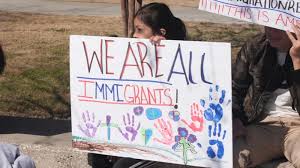
A Day Without Immigrants 2025
A Day Without Immigrants 2025 served as a powerful reminder of the vital roles immigrants play in sustaining economies, enriching cultures, and driving innovation across the globe.
On February 3, 2025, immigrant communities across the United States sent a message too big to ignore. The national protest—known as “A Day Without Immigrants”—asked people to do one simple but powerful thing: stay home.
No work.
No school.
No shopping.
The result? A nation forced to feel the absence of millions who keep its wheels turning every single day.
A Nationwide Stand
From bustling urban centers to quiet small towns, the impact was visible everywhere:
- Business closures rippled through cities like Denver, Chicago, Salt Lake City, and Washington, D.C., as restaurants, grocery stores, and small shops locked their doors in solidarity.
- Empty classrooms told another story—Dallas ISD saw over 25% of students absent, while some California schools reported attendance drops from 93% to as low as 66%.
- Public marches and rallies filled neighborhoods like Oakland’s Fruitvale with signs reading “Immigrants Built This Country” and “No One is Illegal.”
Why This Day Matters
The protest was sparked by rising immigration enforcement and mass deportation threats in early 2025. Organizers wanted to show—not just tell—the country what would happen if immigrants suddenly disappeared from daily life.
Immigrants are:
- Essential workers in agriculture, construction, healthcare, and food service.
- Tax contributors who bolster local and federal budgets.
- Cultural builders shaping the art, food, and traditions that define American life.
Solidarity in Action
In Arkansas, more than 100 businesses—including poultry industry employers—closed for the day. In Chicago’s Little Village, bakeries and taquerias shut their doors in support. And in Baltimore, even car dealerships joined in.
This was not just a protest—it was a collective statement that immigrants are not invisible and their absence has consequences.
A Movement with History
While A Day Without Immigrants 2025 was extraordinary in scale and urgency, it wasn’t the first.
- 2006: The original movement emerged during national debates over immigration reform.
- 2017: Another wave of protests responded to heightened enforcement and anti-immigrant rhetoric.
The 2025 edition came earlier than the usual May observance—urgently timed to respond to a surge in ICE raids and deportation actions nationwide.
The Bigger Picture
America was given a grim look at what life might be like without immigration by the conclusion of the day. It became an object lesson that immigrant communities are not only a part of the United States, but also contribute to its cohesiveness.
FAQs – Day Without Immigrants 2025
1. What is the Day Without Immigrants 2025?
The Day Without Immigrants 2025 is a nationwide protest in the United States where immigrants and their allies refrain from going to work, attending school, or shopping for a day. It’s a symbolic action to highlight the vital contributions immigrants make to the country’s economy and culture.
2. When will the Day Without Immigrants 2025 take place?
The exact date for 2025 is determined by organizers, but it typically occurs in early spring to coincide with legislative sessions and immigration-related debates.
3. Who can participate in the event?
Both immigrants—regardless of status—and their supporters are encouraged to participate. Businesses, students, workers, and even community leaders often join to show solidarity.
4. What is the goal of the protest?
The movement aims to draw attention to the essential roles immigrants play in U.S. society, advocate for fair immigration policies, and push back against anti-immigrant sentiment.
5. How does skipping work or school make an impact?
By collectively stepping back from their roles for one day, participants demonstrate how much the economy, services, and daily life depend on immigrants’ contributions.
6. Is participating in the protest risky for immigrants?
Yes, especially for undocumented immigrants. Missing work could lead to job loss, and participating in public demonstrations might carry legal risks. Organizers often advise weighing personal circumstances before joining.
7. How can people support if they can’t skip work or school?
Supporters can wear symbolic colors, share information on social media, donate to immigrant rights organizations, or attend evening rallies after work.
8. Has the Day Without Immigrants happened before?
Yes. The most notable events took place in 2006 and 2017, both of which gained national media attention and led to discussions on immigration reform.
9. Will this event affect businesses?
Potentially, yes. Restaurants, farms, factories, and service industries often see reduced operations during the protest, which underscores the reliance on immigrant labor.
10. How can I stay informed about the 2025 event?
You can follow immigrant rights organizations, community centers, and local activist groups on social media for updates, event details, and safety tips.
Leave a Reply