
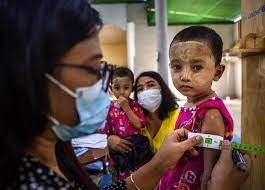
Rising Abuse and Under-Resourced Responses
Rising abuse and under‑resourced responses highlight the urgent need for stronger protections and more equitable support systems.
Across the globe, reports of abuse—ranging from domestic violence and child abuse to elder mistreatment—have been steadily increasing. While greater awareness and reporting mechanisms have brought these issues into the spotlight, many regions continue to face critical challenges in adequately responding to victims due to chronic underfunding and resource constraints.
Alarming Statistics Highlight the Trend
Recent studies reveal that abuse is not only more frequently reported but also more pervasive than previously acknowledged. For example:
- Domestic Violence: According to the World Health Organization, approximately 1 in 3 women worldwide experiences physical or sexual violence in their lifetime, with rates rising in some regions due to economic stress, displacement, and societal instability.
- Child Abuse: UNICEF reports that over 1 billion children experience physical, sexual, or emotional abuse annually, yet interventions remain patchy, particularly in low-income countries.
- Elder Abuse: Research from the International Network for the Prevention of Elder Abuse indicates that roughly 1 in 6 adults aged 60 and older faces some form of abuse, yet services to protect and support them are underdeveloped.
These numbers illustrate not only the prevalence of abuse but also the scale of the response challenge.
Underfunding Hampers Effective Intervention
Despite increased reporting, many support systems remain under-resourced:
- Law Enforcement & Legal Systems: Police and justice systems often lack specialized training and sufficient personnel to handle complex abuse cases. In some regions, cases are delayed or inadequately investigated.
- Social Services: Shelters, counseling services, and crisis helplines struggle to meet demand. For instance, domestic violence shelters in many countries operate at over 90% capacity, leaving survivors without safe spaces.
- Health Care: Frontline medical staff may be ill-equipped to identify and respond to abuse, leading to missed opportunities for early intervention.
The funding gap often reflects broader socio-economic inequalities, making the most vulnerable populations particularly at risk.
The Reporting Paradox
While reporting has increased—thanks in part to campaigns, awareness programs, and easier access to reporting channels—the rise in statistics doesn’t necessarily indicate that abuse itself has increased. Instead, it may highlight the reality that abuse has long been underreported, and only now are victims finding avenues to seek help. Unfortunately, without corresponding investment in response infrastructure, these reports can overwhelm under-resourced systems, potentially leaving victims unsupported.
Addressing the dual challenges of rising abuse and under-resourced services requires a multi-pronged approach:
- Increased Funding: Governments and international agencies must prioritize funding for shelters, counseling, and legal aid.
- Training & Capacity Building: Law enforcement, healthcare providers, and social workers need comprehensive training to recognize and respond to abuse effectively.
- Community Engagement: Grassroots initiatives can help identify cases early and provide culturally appropriate support networks.
- Policy Reform: Stronger laws and enforcement mechanisms are critical to protect victims and hold perpetrators accountable.
Rising abuse and under-resourced responses represent a serious global challenge. While awareness and reporting have improved, the safety and well-being of countless victims remain precarious without sufficient investment in services and infrastructure. Tackling these gaps requires coordinated action across governments, NGOs, and communities, ensuring that reporting abuse leads to meaningful protection and support.
FAQs: Rising Abuse and Under-Resourced Responses
1. Why are reports of abuse increasing worldwide?
Reports are increasing due to greater awareness, improved reporting mechanisms, and reduced stigma around speaking out. Social campaigns, helplines, and digital platforms have made it easier for victims to report abuse.
2. Does an increase in reporting mean abuse is happening more often?
Not necessarily. The rise in reports may reflect better reporting and awareness rather than a true increase in incidents. Many cases of abuse were historically underreported.
3. What types of abuse are most commonly reported?
Commonly reported forms of abuse include:
- Domestic violence (physical, emotional, or sexual)
- Child abuse (physical, sexual, or emotional)
- Elder abuse (neglect, financial exploitation, or physical harm)
4. Why are many regions under-resourced in responding to abuse?
Under-resourcing often stems from limited funding, inadequate infrastructure, insufficient trained personnel, and broader socio-economic inequalities. This leaves victims without timely or effective support.
5. How does underfunding affect victims?
Underfunding can lead to:
- Overcrowded shelters
- Limited access to counseling or legal aid
- Delayed or incomplete investigations
- Inadequate medical care for abuse survivors
6. What can governments do to improve the situation?
Governments can:
- Increase funding for social services and shelters
- Train law enforcement, healthcare workers, and social service providers
- Strengthen laws protecting victims and prosecuting abusers
- Support community-based programs for prevention and early intervention
7. How can communities help?
Communities can play a role by:
- Raising awareness about abuse
- Supporting local shelters and helplines
- Providing culturally appropriate assistance
- Encouraging victims to report abuse safely
8. Where can victims seek help?
Victims can reach out to:
- Local domestic violence shelters and crisis centers
- National helplines (e.g., domestic violence or child protection hotlines)
- Healthcare providers trained to identify abuse
- Legal aid organizations
Leave a Reply